
Best Time to Visit Our Lady of the Rocks: Month, Day and Hour
 Island churchFrom €36
Our Lady of the Rocks is reader-supported. When you book through our GetYourGuide links we may earn a commission, at no extra cost to you.
The best time to visit Our Lady of the Rocks is from late May to mid-June or from mid-September to early October. In those weeks the weather is warm, the sea is calm and swimmable, boats run on full schedules, and Perast is far less crowded than in July and August. On any given day, go before 11:00 or after 16:00. If you can be in Perast on 22 July, the sunset Fašinada procession is the most memorable day of the year on the islet.
Below: what each season is like, a month-by-month table, the best hours of the day, how cruise ships and coach tours shape the crowds, and how to time a Blue Cave trip. For transport and tickets, see how to get to Our Lady of the Rocks.
Month by month
Temperatures are typical daytime highs for the Kotor area, rounded. Every year is different, so check the forecast close to your trip.
| Month | Typical high | Weather | Crowds | Boats and tours | Verdict |
|---|---|---|---|---|---|
| Jan–Feb | About 12–14°C | Mild but often very wet | Very low | Boat taxis on demand; most tours paused | Only for quiet and low prices |
| Mar | About 15°C | Changeable, rain likely | Low | Limited | Fair |
| Apr | About 18°C | Spring sunshine, sea still cold | Low to moderate | Tours restart, full by late April | Good for sightseeing |
| May | About 20–24°C | Warm, mostly dry | Moderate; cruise ships increase | Full schedules | Very good |
| Jun | About 27–30°C | Hot, dry, long days | High from mid-month | Full; Blue Cave in good shape | Very good early in the month |
| Jul | About 30–33°C | Hottest, very dry | Peak | Full; book ahead | Go early; 22 July Fašinada |
| Aug | About 30–33°C | Hot, dry, warmest sea | Peak | Full; queues at the Blue Cave | Busy; go early or late |
| Sep | About 25–28°C | Warm, sea still warm | High, easing after mid-month | Full | Excellent |
| Oct | About 20–22°C | Pleasant, rain increasing | Moderate | Many tours still running; weather-dependent | Good, especially early |
| Nov–Dec | About 13–17°C | Wettest season | Very low | Limited | Quiet, rainy |
The seasons in detail
Spring (April to early June)
The bay turns green, the mountains often still have snow on top, and the light is clear. By late April most boat tours are running full schedules, and May offers comfortable temperatures for walking around Perast. The sea warms through May and is pleasant for most people by June. The catch: cruise ship calls in Kotor rise steadily through spring, so even May can have busy middays.
Summer (mid-June to August)
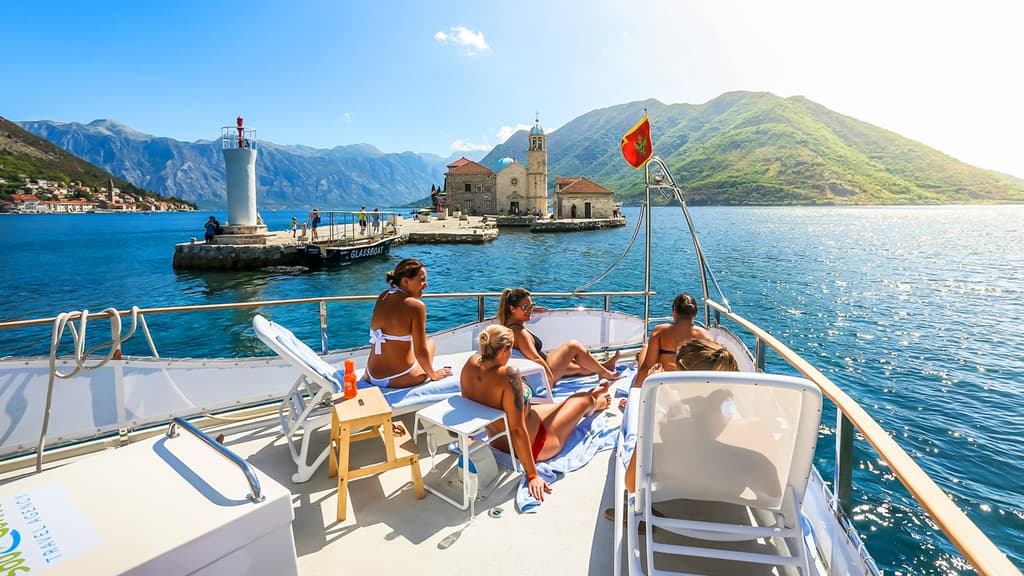
Peak season. Every boat runs, the water is warm and the evenings are long. The downsides are heat on the open boats, full car parks in Perast by mid-morning, and the heaviest crowds between about 11:00 and 15:00, when coach groups from Kotor, Budva and Dubrovnik arrive. In July and August, book tours in advance and plan the islet for the first or last hours of the day.
 Island churchFrom €68
Autumn (September to October)
For many people this is the sweet spot. The sea keeps its summer warmth into September, the crowds thin after mid-month, and the light is soft. Rain becomes more likely through October, and tour schedules start to depend on the weather. Book a little more flexibly, but you will usually still find plenty of departures in early October.
Winter (November to March)
Perast is quiet and atmospheric, parking is generally free, and you may have the islet almost to yourself. But the Bay of Kotor is one of the wettest corners of Europe in winter. Boats run less often (on stormy days there may be no boat service at all), the church opens irregularly, and some restaurants close. Pick a dry day and check before going out.
The best time of day
- Before 11:00: the calmest water, soft light on the church facade, and the fewest people on the islet. This is the best window for photos and for a relaxed visit inside.
- 11:00 to 15:00: the busiest hours from June to September. The islet’s small square can be packed, and you may queue for the church.
- 16:00 to sunset: the coaches leave and the light turns golden. Ideal for photos from the Perast waterfront and for a sunset boat trip. Check the last boat taxi back before you go over.
For the evening light without arranging a boat taxi, the Perast & Our Lady of the Rocks Sunset Tour runs from Perast, from about $40 (Oct 2026), rated 4.8 from 36 reviews.
 Sunset cruiseFrom €36
Stay on the Perast waterfront after the last coaches pull away and watch the bay change colour. Our Lady of the Rocks and St George sit in a sheet of gold, their reflections barely trembling, and the only sound is water lapping at the stone quay. For an hour, the islets seem to belong to Perast again.
Timing the Blue Cave
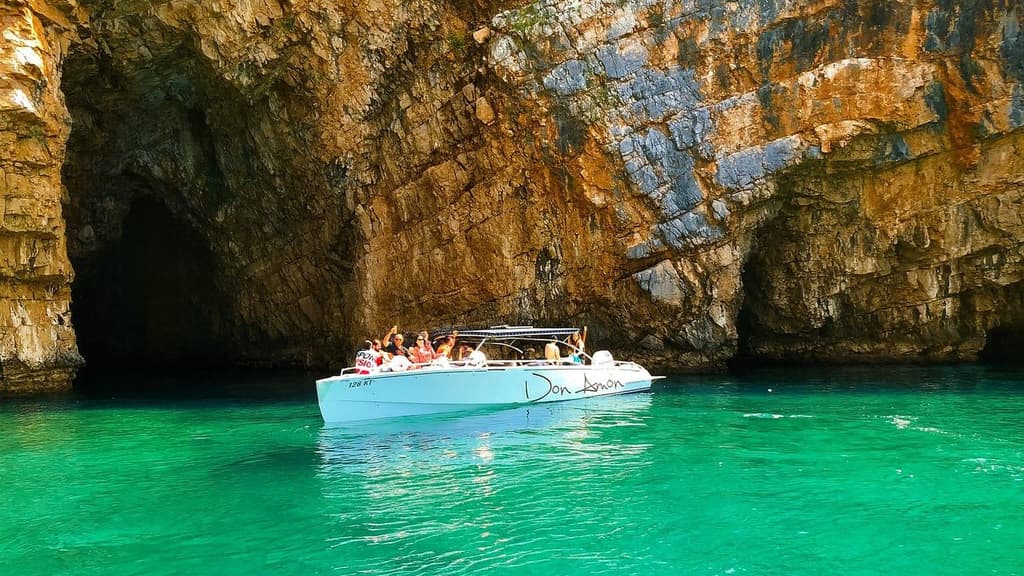
If you combine the islet with the Blue Cave, the cave decides the timing. The blue effect is strongest from late morning on a sunny day, roughly 10:00 to the early afternoon. Tours leaving Kotor at 9:00–9:30 arrive at the right moment. Cave tours run mainly from May to September. In April and October they depend on the sea, because swell and strong wind can close the entrance. The Blue Cave, Submarine Base, and Lady of the Rocks Tour (from about $43 (Oct 2026), rated 4.8 from 5,104 reviews) and the Boat Tour with Blue Cave visit and Boka Bay (from about $36 (Oct 2026), rated 4.8 from 1,050 reviews) both run morning departures. Our Blue Cave tour guide compares the options.
 Blue CaveFrom €36
Cruise ships and day-trip crowds
Kotor is one of the busiest cruise ports on the Adriatic, and Perast is the most popular excursion from the ship. On days with one or more large ships in port, expect busier boats and a fuller islet from late morning. Two simple tactics help:
- Check the Kotor cruise schedule for your dates, which is published online by the port, and plan your Perast day around the quietest one.
- If you are the cruise passenger, take the earliest tour or taxi you can and be back before the afternoon rush on the roads.
For a broader comparison of bases, Kotor vs Perast explains why staying in Perast lets you see the islet before and after the day crowds.
Festivals and special days
| When | Event | Why it matters |
|---|---|---|
| February | Kotor Winter Carnival | Lively Kotor, very quiet Perast |
| 22 July | Fašinada, Perast | Sunset convoy of boats drops stones around the islet |
| August | Bokeljska noć (Boka Night), Kotor | Decorated boats and fireworks in Kotor; busy roads around the bay |
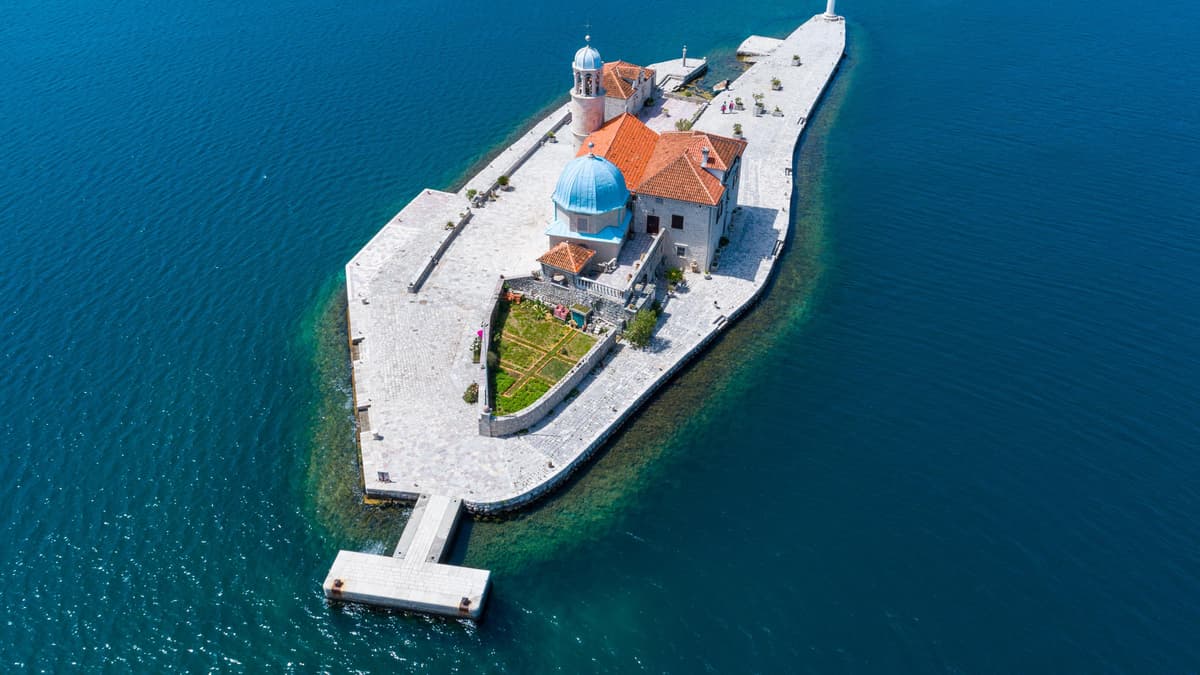
Fašinada falls on 22 July every year. Local men row out at sunset in tied-together, decorated boats and drop stones around Our Lady of the Rocks, re-enacting how the islet was built. Arrive in Perast well before sunset and expect a crowded waterfront. Book a room months ahead if you want to stay. The story behind the ritual is in the history of Our Lady of the Rocks.
 Bay cruiseFrom €25
What to pack by season
- May–June and September: swimwear, a light layer for the church, sunscreen and a hat. Open speedboats get windy, so bring sunglasses that stay on.
- July–August: plenty of water, high-factor sun protection and a cover-up for the church. Shade on the islet is limited around midday.
- October–April: a waterproof jacket and shoes with grip. The polished stone of the Perast waterfront and the islet quay gets slippery in the rain.
Recommended plans by traveller type
- Photographers: sleep in Perast and take the first boat taxi of the morning, then return to the waterfront for sunset. Where to sleep is covered in where to stay in the Bay of Kotor.
- Swimmers: June or September, morning Blue Cave tour, islet on the way back.
- Families: late May or September, a short 2-hour speedboat tour such as the Perast & Our Lady of the Rocks Speedboat Tour (2h), from about $33 (Oct 2026), rated 4.7 from 1,134 reviews.
- Budget travellers: shoulder season, bus from Kotor and the boat taxi. Prices for rooms and some tours dip outside July and August.
- Cruise passengers: the earliest tour available, a 2–3 hour trip, back well before all-aboard.
Check tour dates for Our Lady of the Rocks
 Sunset cruiseFrom €36
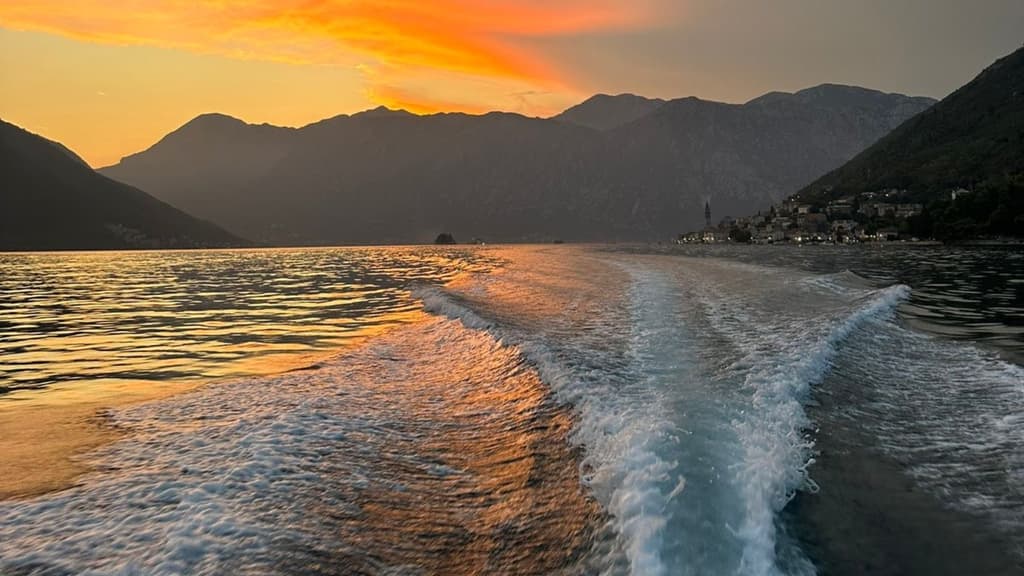
Feel the air soften as the boat slips out at the end of the day, its wake fanning out behind you across the still water. The sky turns orange over the mountains and the islet becomes a dark silhouette against it. The Perast & Our Lady of the Rocks sunset tour is an easy way to be out on the bay for that moment.
Frequently asked questions
What is the best month to visit Our Lady of the Rocks?
June and September are the best all-round months: warm, dry and swimmable, with full boat schedules and fewer people than July and August. Late May and early October are good for sightseeing with even fewer crowds.
What time of day is best?
Before 11:00 or after 16:00. Midday from June to September brings coach groups and cruise excursions, and the islet’s small square gets crowded.
Can you visit Our Lady of the Rocks in winter?
Yes, on calm dry days. Boat taxis run on demand from Perast and the church opens less regularly, so check locally. Winter is the wettest season in the Bay of Kotor.
When is Fašinada?
Every year on 22 July, at sunset. The men of Perast row out in a convoy of decorated boats and drop stones around the islet. Arrive early, as the waterfront fills quickly.
When is the Blue Cave at its best?
On a sunny day from late morning to early afternoon, mainly between May and September. Early departures from Kotor reach the cave in the best light and before the queues.
More questions answered
FAQ · 10 min read
Bay of Kotor Tours from Budva and Tivat (2026): How to Go
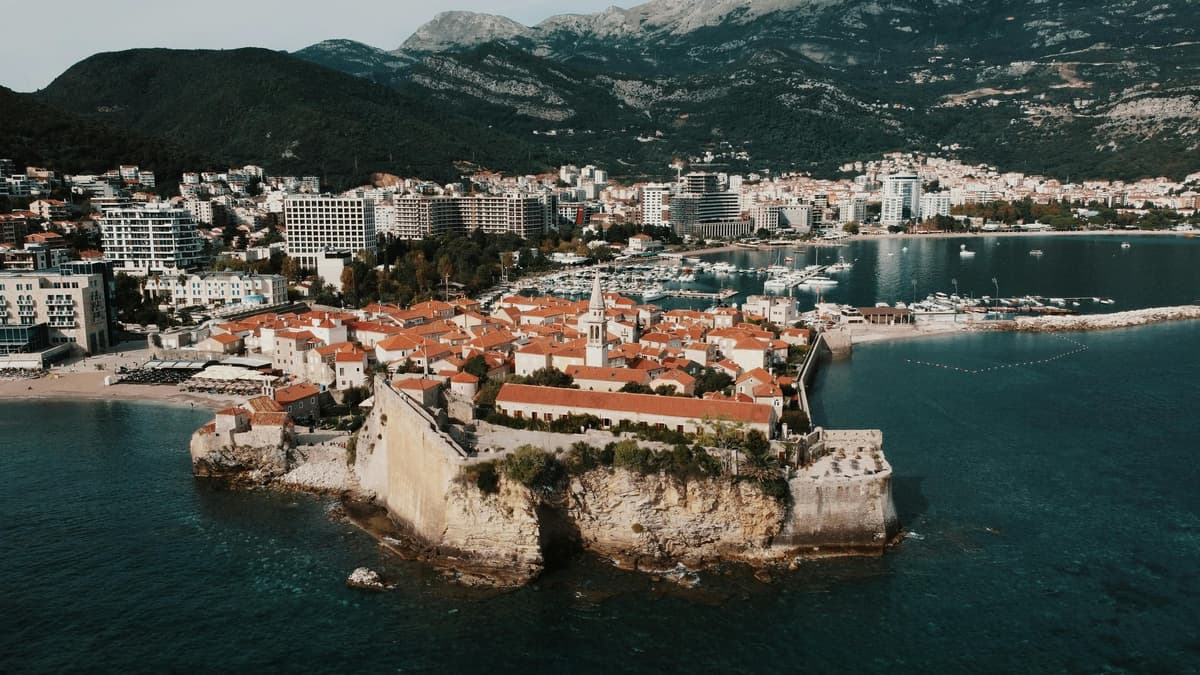
Staying in Budva or Tivat? How to see Our Lady of the Rocks, Perast and the Bay of Kotor: tours from there vs bus, taxi or car via Kotor, with costs.
Read the answers →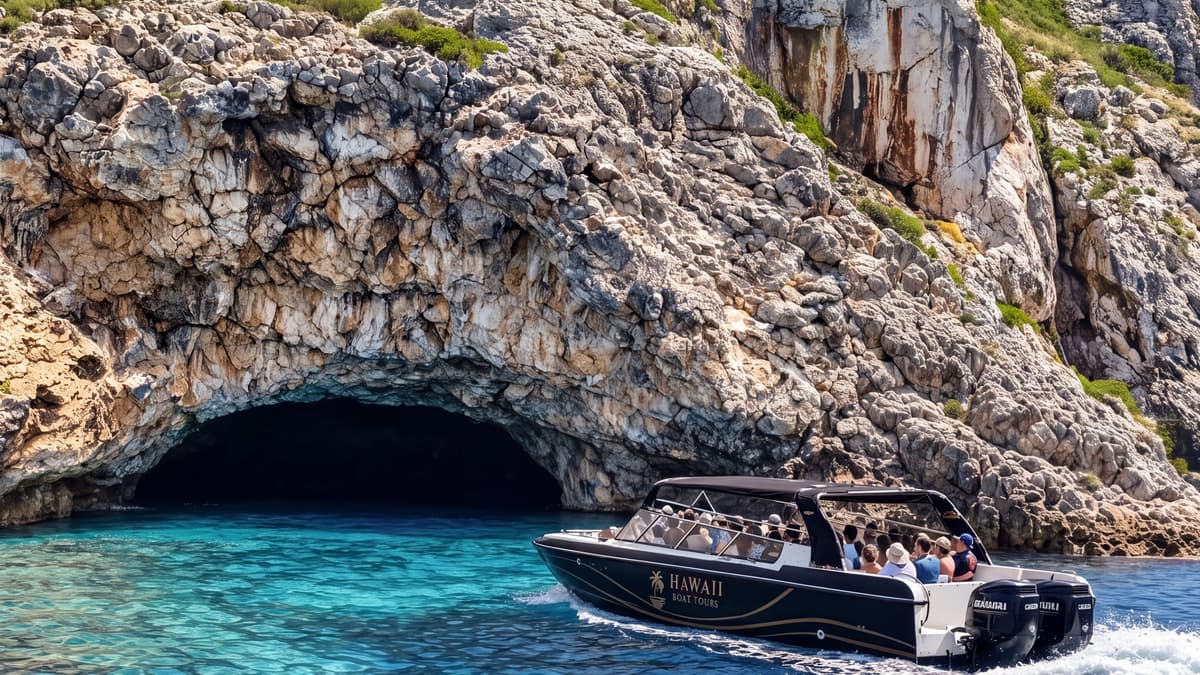
FAQ · 9 min read
Our Lady of the Rocks & Blue Cave Tour (2026): Routes, Prices, Tips
Blue Cave and Our Lady of the Rocks boat tours from Kotor: the 3-hour route, prices from about $36 (Oct 2026), swim time, best light and how to choose.
Read the answers →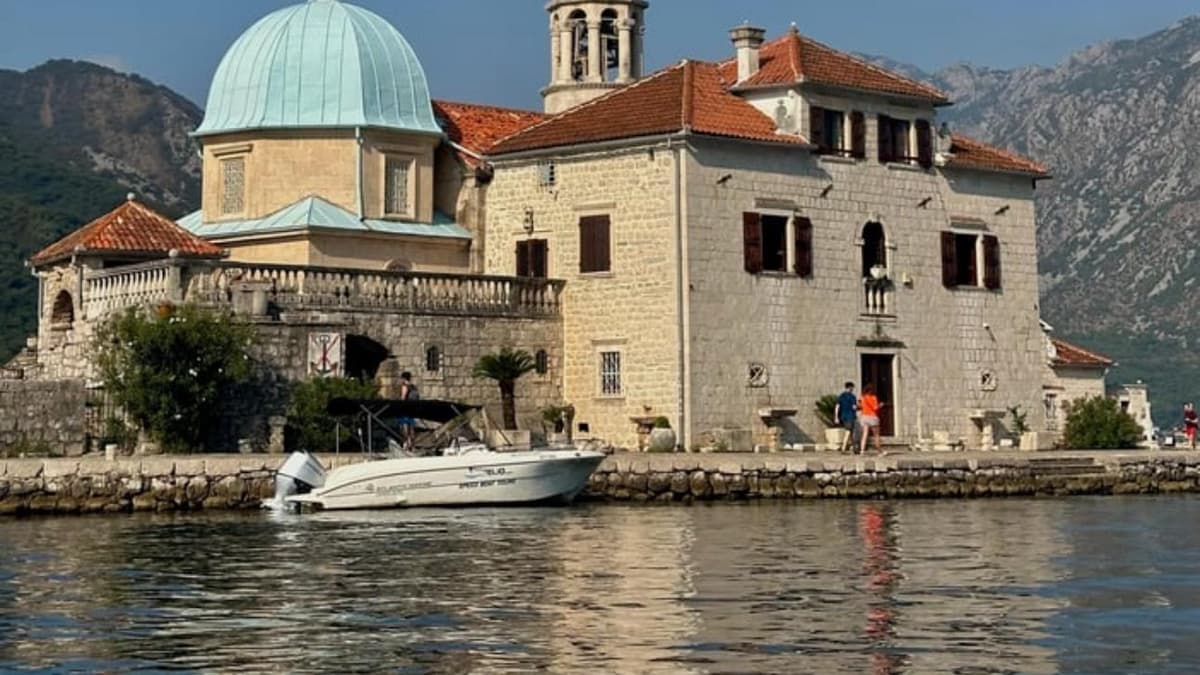
FAQ · 10 min read
Our Lady of the Rocks History: The Legend, the Church and Fašinada
The history of Our Lady of the Rocks: the 1452 legend, an islet built of stones and sunken ships, Kokolja's paintings, silver votives and the Fašinada rite.
Read the answers →